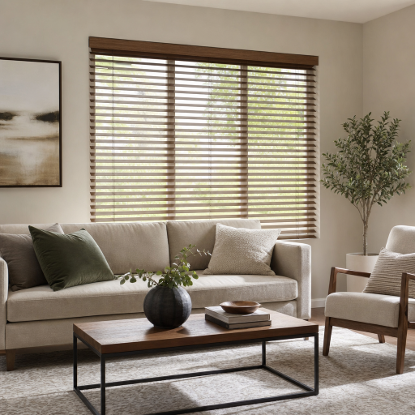
How to choose right blinds and curtains
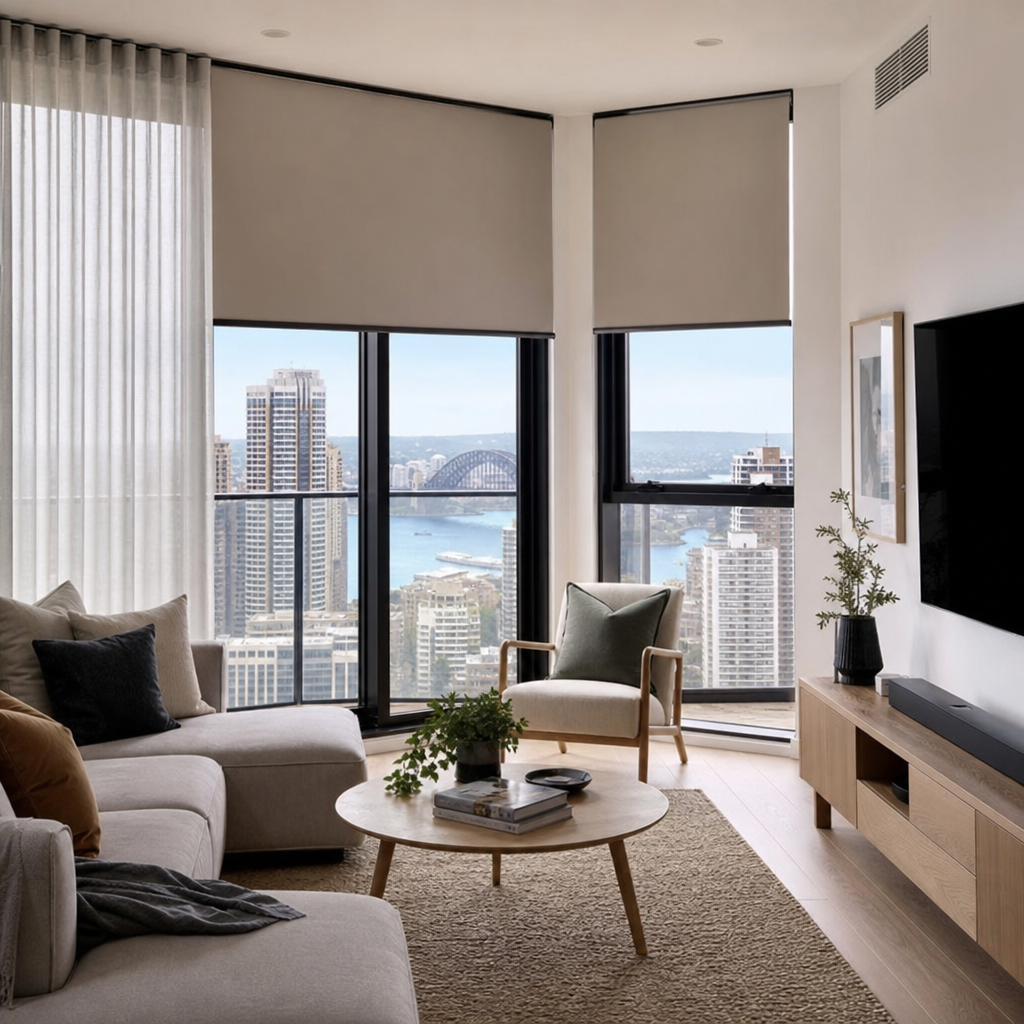
Choosing the right blinds and curtains in Sydney means selecting window coverings that suit your light, privacy, heat control, room function, and interior style. The best choice is not simply the fabric or colour you like most; it is the option that works with your windows, daily routine, and the way Sydney homes deal with bright sun, changing temperatures, and close neighbouring properties.
For homeowners, renters, renovators, and apartment dwellers, blinds and curtains Sydney wide can solve several problems at once: glare, street visibility, sleep quality, insulation, and the overall finish of a room. Understanding the difference between curtains Sydney customers often choose for softness and coverage, and blinds Sydney customers choose for control and clean lines, makes the decision much easier.
What should you consider first?
Start with the room’s purpose, because every window covering should support how the room is actually used. A bedroom usually needs privacy and darkness, while a living room may need flexible light control without feeling closed in. A kitchen or bathroom needs materials that can handle moisture, cleaning, and daily use.
Before looking at colours or styles, assess what the window has to do for you. Think about whether the room gets harsh afternoon sun, whether neighbours can see inside, whether glare hits a TV or desk, and whether you want the space to feel cosy, minimal, formal, or relaxed.
Key decision factors include:
- Light control: Sheer curtains soften daylight, blockout curtains darken a room, and adjustable blinds let you fine-tune brightness.
- Privacy: Street-facing rooms may need day privacy as well as night coverage.
- Heat and comfort: Layered window furnishings can help reduce heat gain and make rooms feel more comfortable.
- Window size and shape: Wide openings, sliding doors, narrow windows, and bay windows each suit different products.
- Maintenance: Some fabrics, tracks, and blind types are easier to clean than others.
- Interior style: Curtains add softness and height, while blinds create a sharper, more streamlined look.
- Budget and longevity: A cheaper option may work short term, but a better-fitted product can look cleaner and perform better over time.
The main types of blinds and curtains
Blinds and curtains are broad categories, and each typecreates a different effect. Curtains are fabric panels hung from a track orrod, often chosen for their softness, decorative impact, and ability to coverlarge areas. Blinds are fitted window coverings that raise, lower, tilt, orslide, often chosen for practical control and a neat profile.
Common curtain options include:
- Sheer curtains: Light, airy fabrics that filter daylight and provide daytime softness.
- Blockout curtains: Heavier curtains designed to darken rooms and increase privacy.
- Lined curtains: Decorative curtains with added backing for better structure and coverage.
- S-fold curtains: A modern wave-style heading that creates smooth, even folds.
- Pinch pleat curtains: A more tailored, classic option suited to formal or traditional interiors.
Common blind options include:
- Roller blinds: Simple, compact, and popular for modern homes, bedrooms, and apartments.
- Double roller blinds: A combination of sunscreen or light-filtering fabric with blockout fabric.
- Venetian blinds: Slatted blinds that tilt for privacy and light control.
- Vertical blinds: Practical for sliding doors and wide openings.
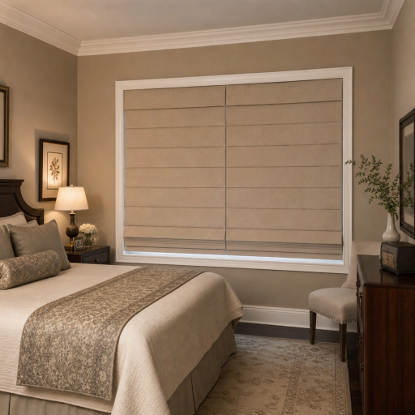
- Roman blinds: Soft fabric blinds that fold upward for a more decorative look.
- Panel glides: Sliding fabric panels often used on large doors or wide windows.
Each option has strengths. The right decision usuallycomes from matching those strengths to the room, not choosing the same productfor every window.
How do blinds and curtains worktogether?
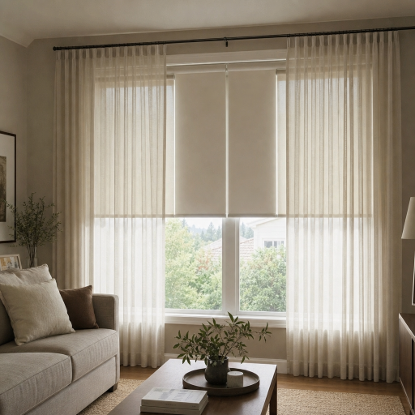
Blinds and curtains work together by separatingfunction from finish. Blinds can handle the practical task of controlling sun,glare, and visibility during the day, while curtains add softness, texture,insulation, and a more complete interior look. This layered approach is commonin Sydney homes because it offers flexibility across seasons and times of day.
For example, a living room might use sunscreen rollerblinds for daytime glare and sheer curtains for a softer, more designedappearance. A bedroom might use blockout blinds behind full-length curtains forbetter darkness and privacy. In a home office, a blind may control screen glarewhile curtains make the room feel less stark.
Layering is especially useful when:
- You want privacy without losing all natural light.
- The room gets strong sun at certain times of day.
- You want a more finished, designer-style window treatment.
- The window is large, exposed, or visually important.
- You need both everyday practicality and a decorative result.
The key is to avoid overcomplicating the window. Ifboth layers are heavy, patterned, or visually dominant, the room can feelcrowded. A balanced combination might pair a simple blind with a texturedcurtain, or a sheer curtain with a discreet blockout blind.
Matching window coverings to each room
Different rooms place different demands on blinds andcurtains. A good selection should feel natural in the space and make the roomeasier to live in.
In bedrooms, privacy and darkness usually matter most.Blockout curtains, blockout roller blinds, or a layered combination can helpcreate a calmer sleep environment. Full-length curtains can also make the roomfeel warmer and more polished.
In living rooms, flexibility is often the priority.Sheer curtains can reduce the feeling of exposure while still letting daylightthrough, and roller blinds can manage glare when needed. If the living areaopens to a balcony or garden, consider how the window covering moves arounddoors and foot traffic.
In kitchens, laundries, and bathrooms, choose practicalmaterials and simple operation. Moisture, cooking residue, and frequentcleaning can make some heavy fabrics less suitable. Blinds are often apractical choice here, although the exact product depends on ventilation andwindow placement.
In home offices, glare control is essential. Adjustableblinds, sunscreen fabrics, or layered treatments can help reduce screenreflections without turning the room dark. A clean, simple look also works wellfor video calls and focused work.
When should you choose one over theother?
Choose curtains when you want softness, warmth,decorative impact, or full-height coverage. Choose blinds when you need compactoperation, precise control, or a cleaner architectural look. Choose both whenthe room needs practical performance and a more complete interior finish.
Practical examples and common misconceptions:
- Example: A street-facing apartment may benefit from sheer curtains for daytime privacy plus blockout blinds for night.
- Example: A west-facing living room may need adjustable blinds to control strong afternoon glare.
- Example: A bedroom with large windows may feel more restful with floor-to-ceiling curtains.
- Misconception: Curtains are only traditional. Modern headings and neutral fabrics can look very contemporary.
- Misconception: Blinds always feel cold. Fabric blinds, Roman blinds, and layered treatments can add softness.
- Misconception: One product should be used everywhere. Different rooms often need different solutions.
Measuring, colour, and installationdetails matter
Even the best fabric or blind style can disappoint ifthe measurements are wrong. Window coverings need to sit correctly, operatesmoothly, and cover the right amount of glass and wall space. For curtains,track placement and drop length can change the entire feel of the room. Forblinds, inside or outside mounting affects light gaps, privacy, and the finalappearance.
Colour should be chosen with the whole room in mind.Neutral tones are versatile and can make blinds and curtains feel built intothe architecture. Darker colours can add drama and improve a sense of depth,but they may also become a stronger design feature. Textured fabrics are usefulwhen you want interest without bold pattern.
A simple pre-selection checklist:
- Identify the main issue: privacy, glare, heat, sleep, style, or all of these.
- Note the room type and how often the window covering will be used.
- Decide whether you prefer a soft, layered, minimal, or decorative look.
- Check whether the window opens, slides, tilts, or sits near furniture.
- Consider cleaning needs, especially in kitchens, bathrooms, and busy family areas.
- Choose colours and fabrics under natural light where possible.
- Confirm measurements and installation requirements before ordering.
A practical way to make the finaldecision
The easiest way to choose blinds and curtains in Sydneyis to begin with function, then refine the look. If a room needs darkness,privacy, or glare control, solve that first. Once the practical layer is right,choose the fabric, colour, heading, and finish that suit the home’s style.
For many spaces, the best result comes from combiningproducts rather than forcing one option to do everything. Curtains can make aroom feel complete, while blinds can make it more usable throughout the day. Bythinking through light, privacy, room use, and installation, you can choosewindow coverings that look good and genuinely improve how your home feels.
Ready to see the difference?「Click here to explore our Curtains」or contact the DR Blinds Team today for a free quote. Let's bring the breezy, elegant Sydney style to your home- for less.