Popular Styles of Exterior Window Shutters
Choosing the right exterior window shutters can lift a plain façade, add character, and help your home feel more considered from the kerb. From classic louvred designs to rustic board and batten styles, the best choice depends on your property’s architecture, the look you want, and how much maintenance you are happy to take on. This guide explores the most popular options so you can choose shutters that suit your home rather than simply following a trend.
Which exterior window shutters suit your home best?
The best exterior window shutters are the ones that look as though they belong to the building. A cottage, townhouse, coastal home and modern new-build can all benefit from shutters, but not necessarily the same shape, material, colour or fixing style. Before choosing, look at your window proportions, roofline, exterior finish and existing features such as doors, trims, railings and garden structures.
It also helps to decide whether your shutters are mainly decorative or functional. Decorative external house shutters are fitted to frame the window and enhance the appearance of the property. Functional shutters are designed to open, close, shade or protect the window, which may affect the hardware, material and installation method you choose.
Louvred shutters for timeless kerb appeal
Louvred shutters are among the most recognisable styles for traditional and period-inspired homes. They feature angled slats, giving the window a layered look that works particularly well with painted render, brick, weatherboarding and coastal-style exteriors. Their design has an airy, elegant quality, which can soften a façade without making it feel heavy.
This style is often chosen when homeowners want exterior house shutters that feel classic rather than overly decorative. Slim louvres can look refined on taller windows, while wider slats may feel more relaxed and contemporary. In darker colours, louvred shutters can create contrast and definition; in softer shades, they can blend gently into the exterior palette.
When using louvred shutters decoratively, proportion matters. A common visual mistake is choosing panels that are too narrow for the window. Even if the shutters are not designed to close, they should still appear as though they could cover the glass if they were functional.
Raised panel shutters for a polished traditional look
Raised panel shutters have a solid, structured appearance, with framed sections that add depth and formality. They are a natural fit for Georgian-inspired homes, townhouses, symmetrical façades and properties with panelled front doors. If louvred shutters feel light and breezy, raised panel designs feel more substantial and architectural.
This style is useful when you want house window shutters exterior features to echo other details on the building. For example, a panelled front door, decorative porch or traditional moulding can be complemented by raised panel shutters in a matching or co-ordinating colour. The result feels intentional, especially when the shutter colour is repeated elsewhere on the exterior.
Raised panel shutters can also suit homes where privacy, shade or a stronger visual frame is desired. Their solid look naturally draws attention to the windows, so they work best when the rest of the façade is not already too busy.
Board and batten shutters for rustic texture
Board and batten shutters are made from vertical boards held together by horizontal or diagonal battens. They have a simple, handcrafted character, making them a popular option for cottages, farmhouses, barns, country homes and informal garden buildings. Their charm comes from their straightforward construction and slightly rugged visual texture.
These shutters can look especially good on properties with natural materials, such as stone, timber cladding or aged brick. They are also effective when you want an outdoor shutter style that feels warm and unfussy. A natural wood finish can emphasise the rustic effect, while painted board and batten shutters can be tailored to more modern or coastal schemes.
For a softer look, choose clean vertical lines and a muted finish. For more character, diagonal bracing adds a traditional barn-style feel. The key is to avoid overcomplicating the design, as the appeal of board and batten shutters lies in their simplicity.
Shaker-style shutters for understated elegance
Shaker-style exterior shutters are simple, neat and balanced. They usually have a flat recessed centre panel with clean framing, making them less ornate than raised panel shutters but more formal than board and batten designs. This makes them a versatile choice for homeowners who want something classic without adding too much detail.
They are well suited to contemporary cottages, renovated period homes and minimal façades that need a little depth. Because the design is restrained, the colour and finish become especially important. Soft neutrals, muted greens, deep blues and charcoal tones can all work well, depending on the exterior materials around them.
Shaker-style shutters are also a sensible middle ground if you are unsure between traditional and modern. They frame the window neatly, but they rarely dominate the overall look of the house.
Are decorative shutters still worth installing?
Decorative shutters can be worth installing when they improve the balance, colour and character of the façade. They do not need to be functional to add value visually, but they do need to be well proportioned, properly aligned and suited to the home’s style. Poorly sized shutters can look like an afterthought, while carefully chosen ones can make windows appear more finished.
If you are using decorative exterior window shutters, think of them as architectural trim rather than standalone accessories. They should relate to the window height, sit consistently across the elevation and work with the colour of the front door, frames and exterior finishes. Hardware can also make a difference; even simple hinges or holdbacks can help decorative shutters look more authentic.
A practical checklist before choosing decorative shutters:
- Measure the windows carefully: Shutters should look proportionate to the opening, not too small or oversized.
- Consider the whole elevation: The same style may not suit every window if your home has varied shapes or extensions.
- Match the level of detail: Ornate shutters can overwhelm a simple home, while very plain designs may look flat on a detailed façade.
- Choose colours with purpose: Repeat a colour from doors, gates, trims or garden features for a cohesive look.
- Think about maintenance: Timber, composite and other materials have different care needs, so choose what fits your lifestyle.
Bahama and plantation-inspired shutters for relaxed shade
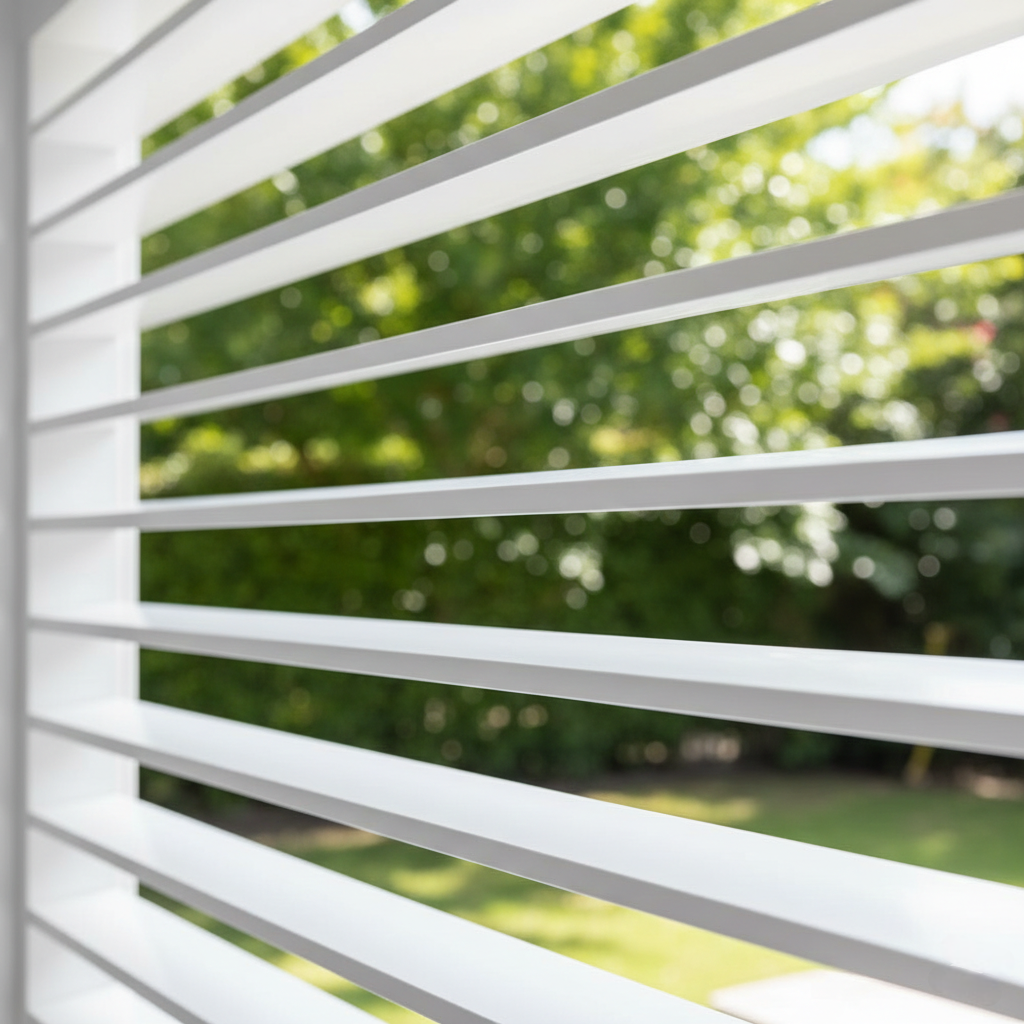
Bahama shutters, sometimes called Bermuda shutters, are hinged at the top and propped open from the bottom. They are associated with sunny climates and coastal architecture, but their relaxed style can also inspire homes that need shade and a distinctive look. They create a canopy-like effect over the window, which makes them different from side-hinged designs.
Plantation-inspired exterior shutters often have wider slats and a more substantial profile. They can suit homes where light control, airflow and a breezy appearance are part of the desired effect. While these styles are not right for every property, they can be striking on rendered homes, beach houses and modern exteriors with simple lines.
Because they have a strong visual identity, it is best to use them with confidence. Keep surrounding details relatively calm, and choose colours that support the overall exterior rather than competing with it.
Colour and material choices shape the final look
The style of the shutter is only part of the decision. Colour, finish and material have just as much influence on how the finished exterior feels. Black or deep grey shutters can add definition and contrast, while white, cream and pale neutrals feel crisp and traditional. Greens, blues and earthy tones can help external house shutters sit naturally within garden surroundings.
Material choice affects both appearance and upkeep. Timber offers warmth and authenticity, but it may require periodic maintenance depending on exposure and finish. Composite and synthetic options can provide a consistent look with different maintenance demands. Metal or aluminium styles may suit more functional or contemporary applications, especially where durability is a priority.
When comparing options, ask yourself:
- Does the material suit the age and character of the property?
- Will the finish cope with the home’s exposure to weather?
- Is the colour likely to work through seasonal changes in light?
- Can the shutters be maintained without becoming a burden?
- Do they enhance the windows rather than distract from them?
What should you avoid when choosing exterior house shutters?
The main mistakes are poor proportions, mismatched styles and choosing a colour in isolation. Exterior house shutters should look connected to the architecture, not simply added because they looked appealing elsewhere. A design that suits a country cottage may feel out of place on a crisp modern façade, and a fashionable colour may clash with brick, stone or roof tones.
Avoid fitting shutters that are visibly too narrow for the windows. Even decorative shutters look more convincing when they respect the size of the opening. Also be careful with overly ornate shapes on simple homes, as they can make the exterior feel confused rather than characterful.
Finally, do not forget the practical side. Outdoor fittings face sun, rain, wind and temperature changes, so installation quality and material choice matter. If shutters are functional, they need suitable hinges, catches and clearance. If they are decorative, they still need secure fixing and thoughtful placement.
Bringing the look together
Exterior window shutters can change the feel of a property in a subtle but powerful way. Louvred shutters bring classic charm, raised panels add formality, board and batten designs offer rustic texture, and Shaker styles provide clean versatility. More distinctive options such as Bahama or plantation-inspired shutters can create shade and personality when they suit the setting.
The strongest results come from choosing with the whole home in mind. Match the shutter style to the architecture, choose materials you can realistically maintain, and use colour to connect your windows with the rest of the exterior. Done well, shutters do more than dress a window; they help the entire façade feel balanced, welcoming and complete.
Ready to see the difference?[Click here to explore our blinds] or contact the DR Blinds team today for a free quote. Let’s bring that breezy, elegant Sydney style to your home—for less.